Our Journal

Search
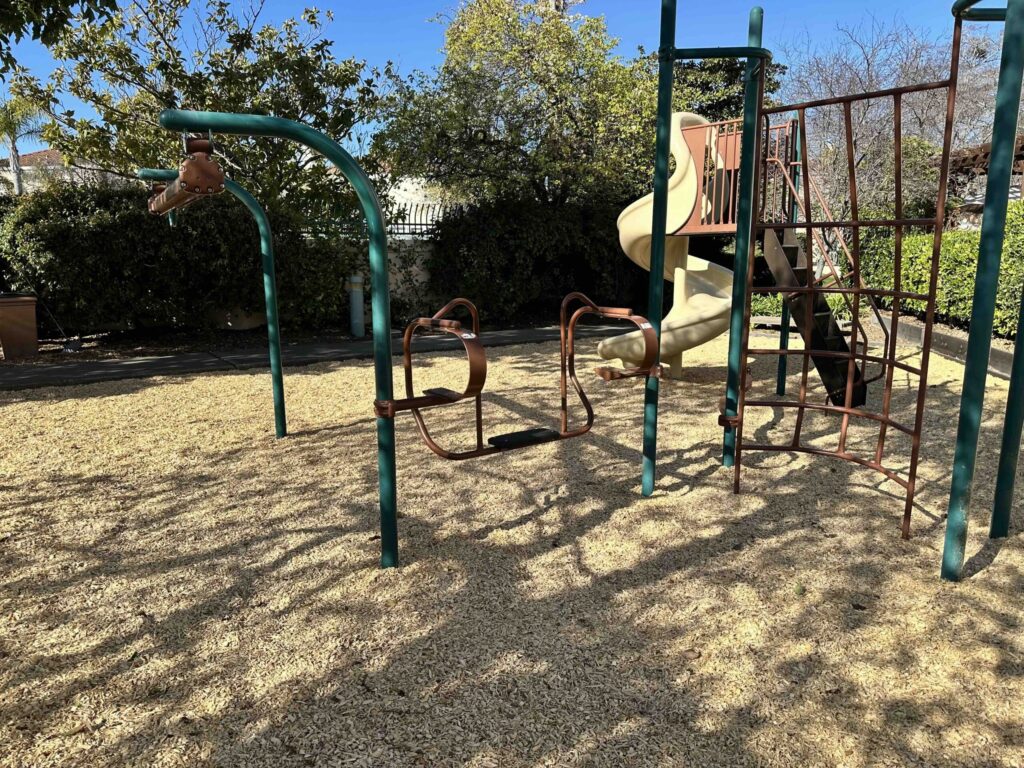
Renovating playground surfaces isn’t just about improving aestheticsit’s about ensuring safety, durability, and long-term usability. At Terra Landscape, we’ve perfected a three-step process to deliver outstanding results for wood chip playground areas. Here’s how we make it happen: Step 1: Demolition and PreparationEvery successful project starts with a clean slate. Our team begins by thoroughly cleaning the site, removing all trash and debris to create a safe and efficient workspace. To minimize costs and environmental impact, we…
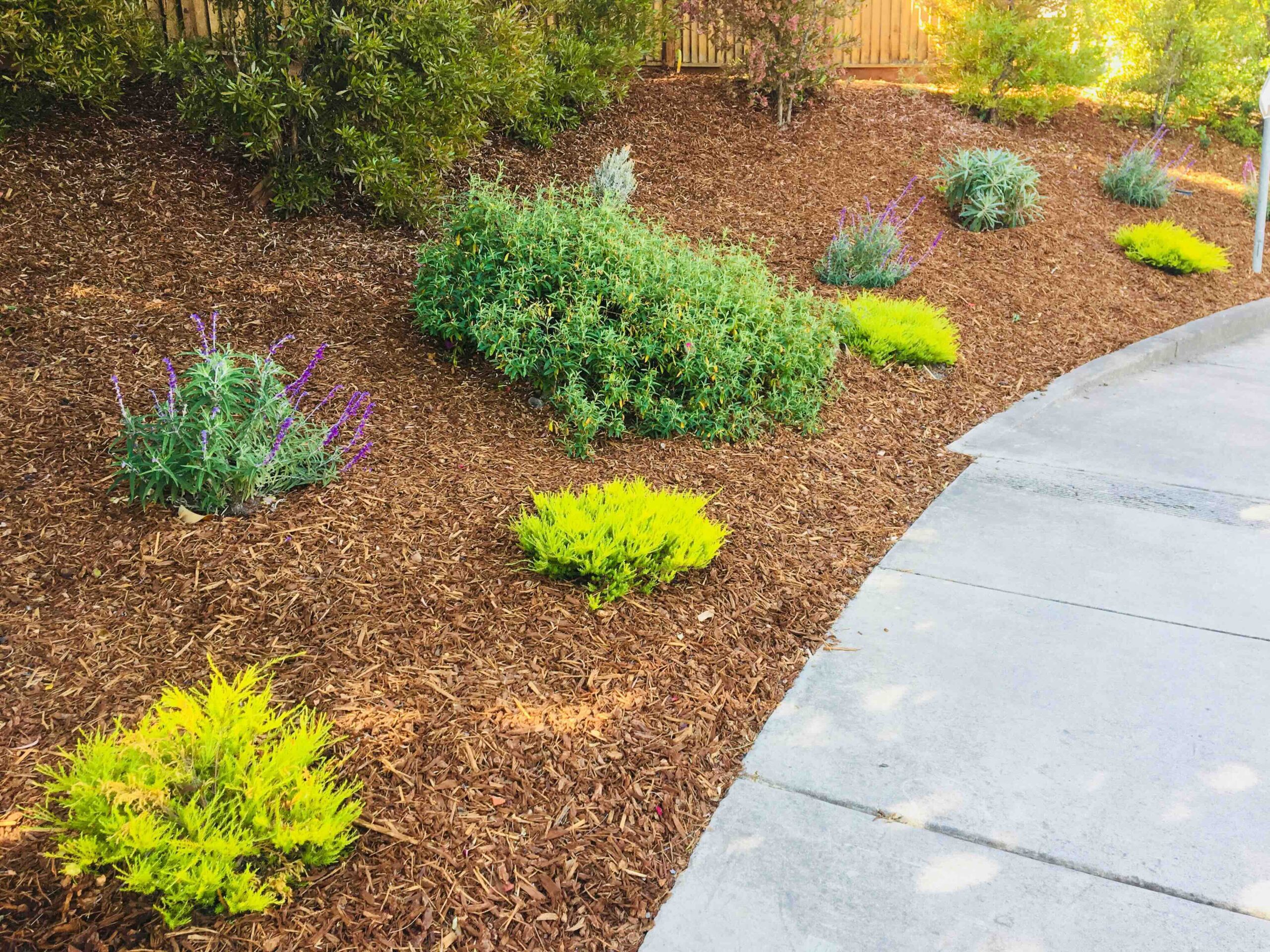
Mexican Bush Sage (Salvia leucantha) pushes out purple wands most of the year. It attracts pollinators like hummingbirds and butterflies. Plants are adapted to summer drought, untouched by deer, easy to maintain, and popular everywhere in the Bay Area. But among the 1,000 or so species of sage, many others thrive here and have most of the same strong points. 
Even though they are evergreen, redwood and pine trees are known for shedding large quantities of brown needles during late summer and early fall, a natural process that often catches people by surprise. This needle drop is part of the trees’ annual cycle and serves to conserve water and support new growth. To cope with drought stress, these trees allow their oldest needles to die off, thus reducing the overall demand for water. Additionally, this annual shed helps rid the trees of less-efficient foliage: Needles typically last for…
Extreme heat is becoming more common in the West, and you might think all plants would suffer equally. But some thrive with strong sun and high temperatures. We say It’s hot! and they say Bring it on!  Crepe Myrtle varieties with tribal names like Arapaho and Zuni are disease resistant and look good year round. The hotter, the better. Oleander loves the heat. Dwarf varieties like Little Red’ and Petite Salmon’ grow to just 4-5 ft tall and wide, so they never need pruning if planted in the right spot. Grevillea species are native …